Interview:
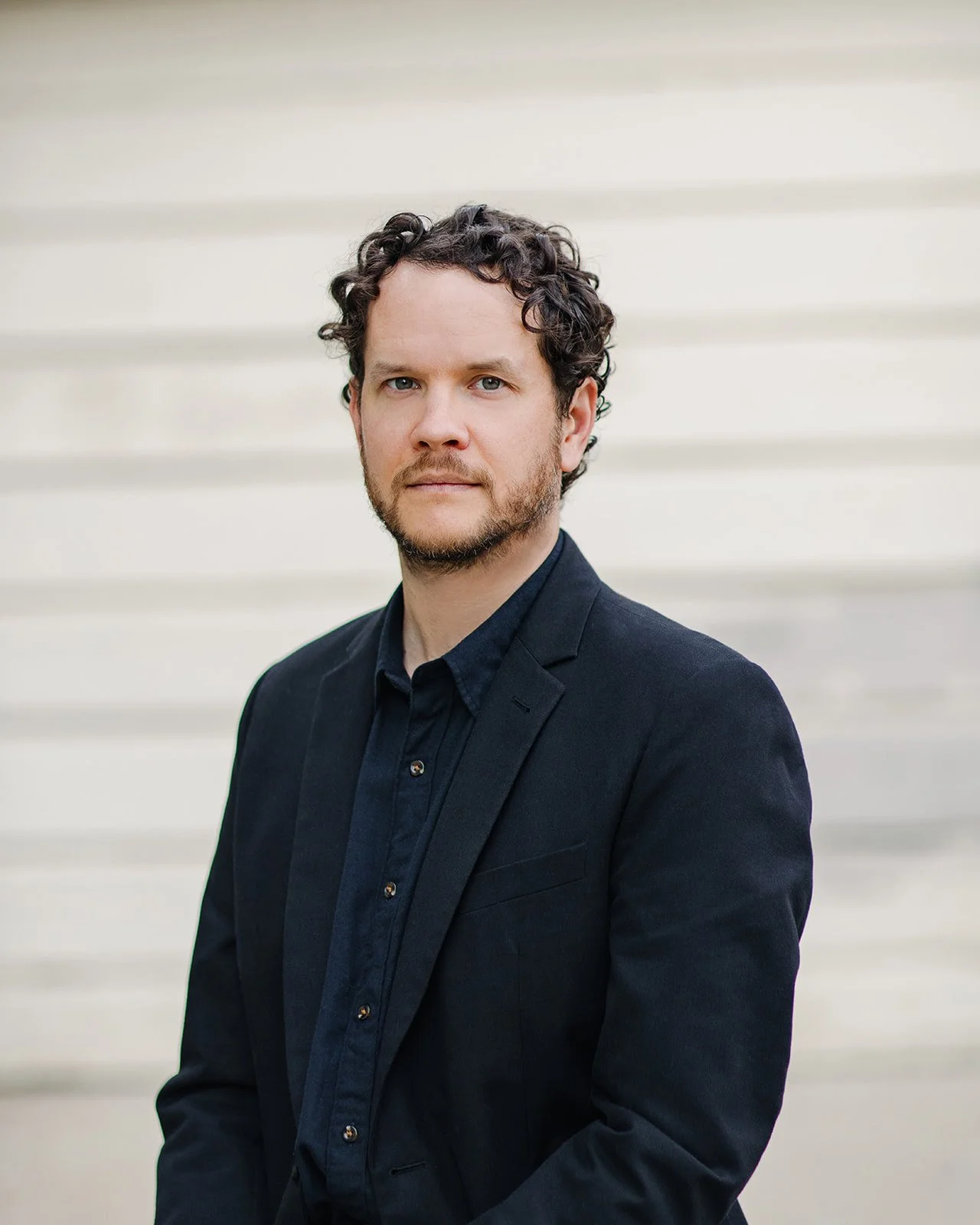
Stewart Campbell, Founder of Artist Communications Agency
Stewart Campbell is a Los Angeles-based strategic communications advisor specializing in public relations for visual artists and artist-run organizations. With 15 years of experience, he brings a precise and research-driven approach to helping artists sharpen the stories they tell about themselves and their work through marketing and communications. With his expertise in press, media relations, and storytelling, he creates comprehensive and holistic strategies that help artists build lasting art-historical legacies.
Prior to founding the Artist Communications Agency, Stewart served as an Associate Director at Hauser & Wirth, working directly with an internationally recognized artist to develop and execute communications strategies that reframed critical interpretations of their work. He holds an MA in Critical and Curatorial Studies from Columbia University.
Virginia Broersma: Tell me about Artist Communications Agency.
Stewart Campbell: Artist Communications Agency is a strategic communications consulting business. What that means is that I work with artists and artist-run organizations to help navigate the various tools and techniques for telling the story of their practice whenever they or their work comes in touch with the public.
I use the term "strategic communications" to distinguish it from PR. PR is a function of strategic communications — one of those tools for telling the story — but strategic communications can include advice on marketing, websites, Wikipedia pages, image licensing, artist statements and biographies, didactic texts, info packs, and social media strategies; any way that an artist is presenting, or allowing others to present, themselves or their work to the public.
All of the choices that artists make in relationship to these public-facing moments accumulate into the historical record. I like to talk about strategic communications as the process of writing contemporary art history.
VB: You give advice on the many different areas of the artist's presentation to the public. How hands-on are you when it comes to writing bios, statements, and creating the language for the artists you work with?
SC: It depends on the artist’s particular needs, but that's really a core part of the business: writing the bios, artist statements and info packs, helping design and select artworks for websites. I will write social media captions.
Knowing what to put on your website is an important question. If an artist puts too much on it, people are going to have a hard time connecting with it. If you put too little on it, same kind of thing. It's about striking that balance.
VB: Who is your ideal client and what kind of artists do you work with? What career stage should they be at, does location matter or can they be anywhere in the country or the world? Who do you prefer to work with?
Currently, I work with artists all over the world. I also work with a couple of artist-run organizations. And just a side note, I like working with artist-run organizations. I don't currently work with commercial galleries because I think our missions are slightly different, but I find that my mission really aligns well with artist-run organizations.
Depending on what the artist is looking for, this work can be done from anywhere in the world. It becomes a little more complicated when it comes to securing press for artists because press placements depend so heavily on relationships, and people tend to have their geographical areas of practice where they have built their networks.
VB: I think that's a great clarification because I think people hear PR (Public Relations) and they might assume a publicist.
SC: Right. That's part of why I used the phrase "strategic communications". Publicity is an important tool for PR. It is specifically about securing press placements for the client.
VB: In what ways does sales-driven publicity differ from the deeper strategic communication needs that artists have for their work and practice?
SC: Sales people are trained in specific things. They're trained in sales marketing. They're trained in sales communication. They're trained in client relations where the client is the person buying the work. These are all extremely important, in their own way, for artists.
The skills of strategic communications are valuable because art is one of the most difficult things to talk and write about. Putting everything under a sales lens serves different needs and objectives. With sales marketing, you're interested in invigorating an interest and a desire to acquire by the person that you're targeting with that communication. It tends to put the work into broad categories that people can easily connect with that really gets their excitement going, but sometimes that doesn't get to the deeper, richer story of what the artist is doing, and how they’re evolving within the broader chronological and thematic frameworks of their practice overall. This is why I like to say that strategic communications is the practice of helping to write contemporary art history.
VB: Do you ever have artists that want you to convey an aspect of their practice or their work that you think is unfounded? I've seen artists that really inflate the language that they use around their work and wonder about the ethical boundary.
I don't think that I've encountered that with the artists that I’ve worked with personally, but I have noticed that more generally. In my experience, this usually seems to come from a sales marketing approach to talking about artists.
If I were to encounter that, I would typically offer a different way of saying what they're trying to communicate because credibility is important. Otherwise, people are going to stop listening to what you're saying about yourself.
If you get to a point where people think you have an unrealistic sense of your own accomplishments, then that's another way of losing control of the narrative.
VB: What tips do you have for artists?
SC: I think it's important for younger or emerging artists to maintain their own relationships with writers and keep writers updated on what they're doing. There are a few things that I want to mention about this:
The first is that we have to remember to respect the creative autonomy of writers, just the same as artists and curators. As a general rule, and without getting too in the weeds about the editorial process, the writer gets to choose what artists and shows they write about and what they say about them. Publicity is about connecting writers and editors to the stories that might interest them, but they have ultimate discretion.
The second thing is about managing expectations. It's helpful to keep in mind that there is an economics of publicity. Think in terms of supply and demand. There are many more stories to be told than there are words being written, so there is a lot of competition for a narrow amount of opportunity. The more newsworthy a story it is, the more likely it is to break through.
My last piece of advice to artists is to pay close attention to how the art world changes over the next few year. Ways of doing business are shifting, and my company is trying to put the power in the hands of artists to influence how art history records their work.
VB: Thanks, Stewart!
Get in touch with Stewart at Artist Communications Agency.